

News & articles from the Overseas Mon Coordinating Committee
Stay informed about our efforts to preserve Mon identity, religion, and cultural heritage. Read our latest articles and insights on the challenges and successes within our overseas communities.
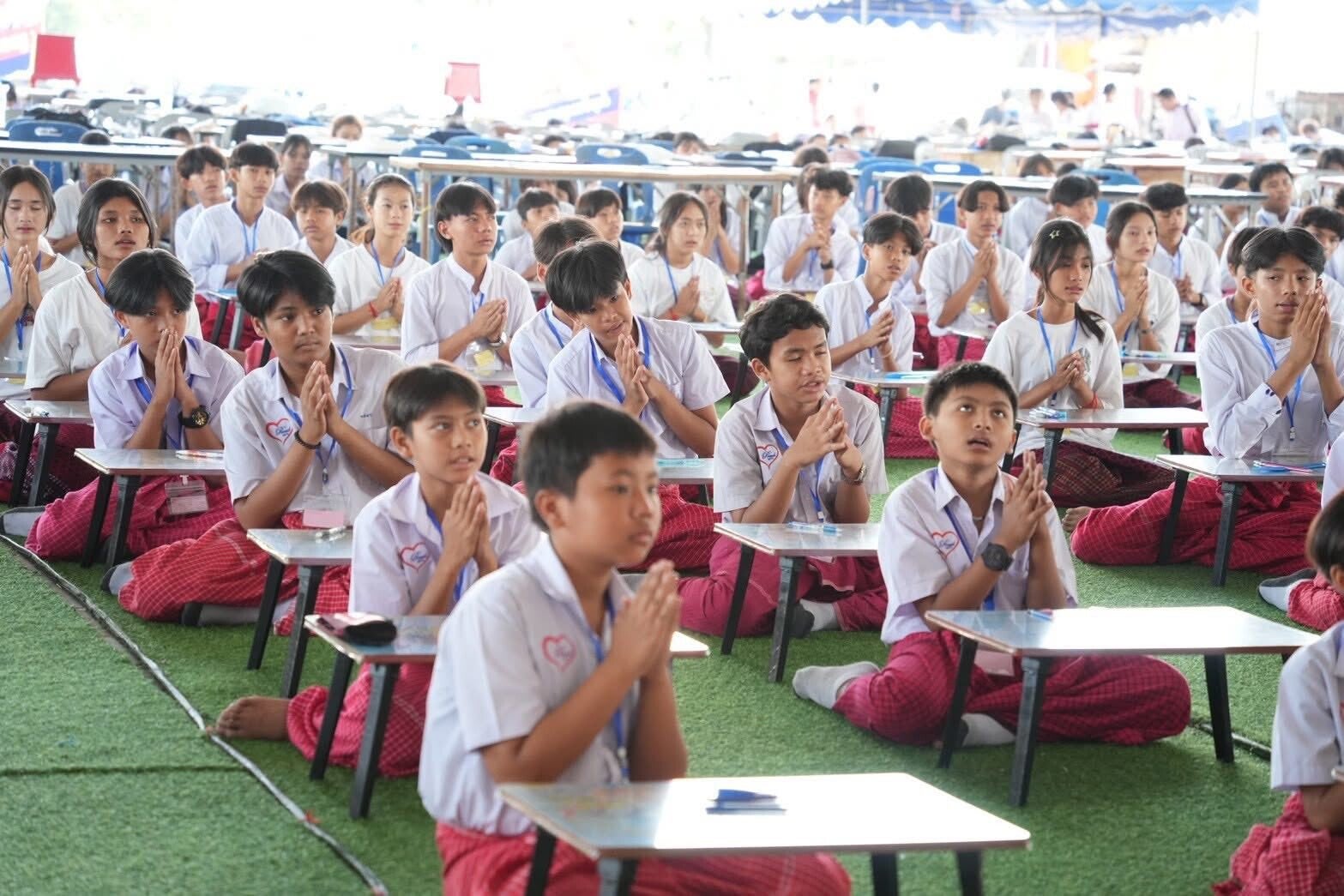
Preserving Mon identity, religion, and cultural heritage in overseas communities
By Mi Myo Myat Mon, Written for OMCC Magazine (29 December 2020), Updated by AHM (07 May 2026)
Living abroad offers many opportunities for education, freedom, and cultural exchange. However, it also brings concerns regarding the preservation of our ethnic identity, religion, language, and traditions. After observing Mon communities overseas celebrating Christmas and increasingly adopting foreign cultural practices, I have reflected deeply on the long-term impact this may have on future generations of Mon people.
Celebrating with people of other faiths is not necessarily wrong, especially for families who are already Christian. Nevertheless, for Buddhist families, there may be unintended consequences if children grow up becoming more emotionally attached to foreign religious practices than to their own heritage. Children and adolescents are naturally attracted to happiness, songs, gifts, and celebrations. At those young ages, they are still developing their values and identities. They often imitate what their parents admire and prioritize. In democratic societies, parents may hesitate to guide their children firmly in matters of religion and cultural identity. Over time, this may gradually weaken the continuation of Buddhism and Mon traditions within overseas families.
I personally experienced this during my childhood. When I was about six or seven years old, my parents sent me to a church to learn English. One day, my father asked me what I had learned there. I replied, “I learned to pay homage.” The next day, he asked me again, and I told him that I had kissed Santa Claus and received a present. I even explained that I held my breath while kissing him because I felt uncomfortable.
After hearing this, my father said, “Whether my daughter becomes good at English is not important to me. What is important is that she may enter another religion, and that is a serious concern.” From the following day onward, he no longer allowed me to attend the church.
Those words remained deeply in my heart. Ironically, despite no longer attending those classes, I later became one of the strongest English students in my government school. My father’s guidance taught me that preserving one’s faith and identity was more important than temporary advantages.
Another lesson I learned from my parents concerned the value of family heritage and moral responsibility. Before my mother passed away, she wished to leave her ring to her only beloved son, my brother. However, because my brother and his wife were addicted to gambling, I feared the ring might eventually be sold. For this reason, I wore it temporarily after my mother’s death. Later, feeling guilty, I returned it to my father. After wearing it for one week, he gave it back to me and said it should remain as part of our family heritage.
When both of my parents passed away, my eight siblings divided their belongings. I did not take material possessions, not even a plate. Instead, I only requested several small Buddhist statues for worship in my home. I also asked my sisters to get me a large Kamakura Buddha statue, but at first they refused. Later, when my husband built a house for me, I requested a large shrine room. Eventually, the Kamakura Buddha image was placed there. For me, preserving religious heritage was more meaningful than inheriting wealth.
One of the most emotional moments in my life occurred during my father’s final days while he had throat cancer. My sisters asked me to perform good deeds for him at a pagoda. Shortly after I arrived, one of them urgently asked me to return home. When I arrived, I saw my siblings reciting Buddhist scriptures in Burmese around my father. I then said, “Father always recited prayers in our own Mon language.” I began reciting Buddhist teachings in Mon. At that moment, my father opened his eyes and looked at me. He passed away while I was holding him from behind.
Although my parents had eight children, I felt that only one truly continued their patriotic spirit and dedication to Mon identity. I believe that the good deeds and values my parents taught me later guided me toward meeting a husband who is intelligent, patriotic, religious, and free of harmful habits such as drinking, smoking, and gambling.
I do not share these stories to praise myself. Rather, I wish to emphasize an important truth: even within a family, only one or two children may genuinely carry on their parents' values and traditions. Therefore, Mon people living abroad must be especially careful. If parents themselves become overly influenced by foreign religions, languages, and cultures, their children will naturally follow the same path.
For this reason, I encourage Mon families to continue speaking Mon at home rather than relying entirely on English. Parents should actively preserve Mon culture, religion, and traditions in daily life. Otherwise, these precious aspects of our identity may disappear within one or two generations. By the time people realize what has been lost, regret may come too late.
At that moment, we should not blame our children. Instead, we must reflect upon ourselves, because children often become what their parents admire and practice.
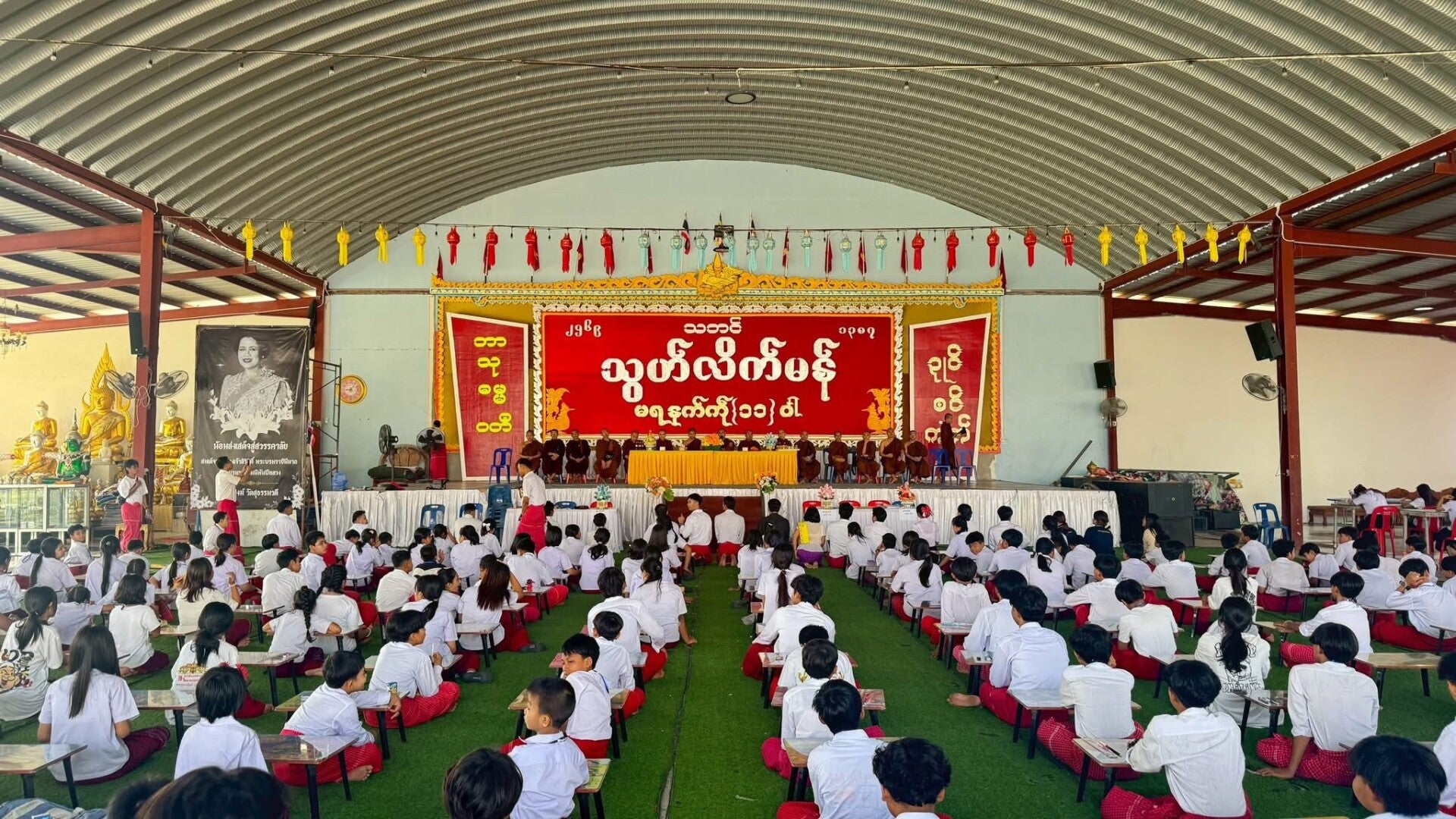
Our commitment to cultural preservation
The OVERSEAS MON COORDINATING COMMITTEE is dedicated to supporting Mon communities worldwide in their efforts to maintain and celebrate our unique heritage. We regularly share news and articles to foster understanding, encourage dialogue, and provide resources for cultural and religious education.
We invite you to explore our growing collection of articles and stay connected with the ongoing initiatives of the OMCC.